

What is a Crit’Air sticker?
A guide for UK drivers travelling to France
Driving in certain French cities may require a valid Crit’Air emissions sticker. This guide explains how the French low emission system works, where stickers are required, and how to apply online.
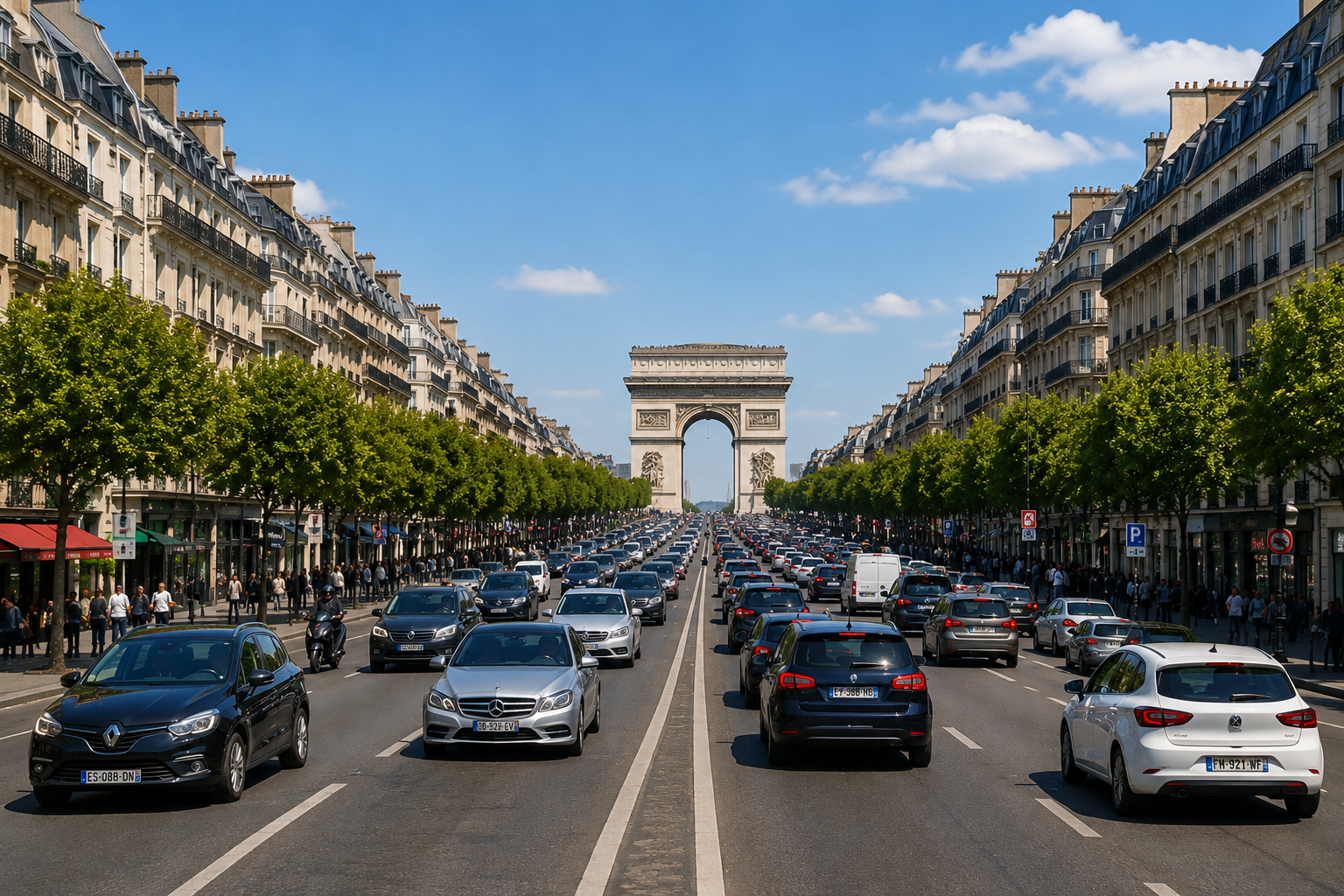
What are Crit’Air stickers?
Crit’Air stickers are official French emissions certificates introduced to help improve air quality and reduce pollution across France.
Each vehicle is assigned a colour-coded category based on:
vehicle type
fuel type
emissions standard
registration date
The system is used throughout France to regulate traffic within Low Emission Zones and during periods of increased pollution.
The sticker must be displayed clearly on the windscreen and may be checked by enforcement officers and traffic cameras.
Driving within applicable zones without a valid sticker may result in fines or driving restrictions.
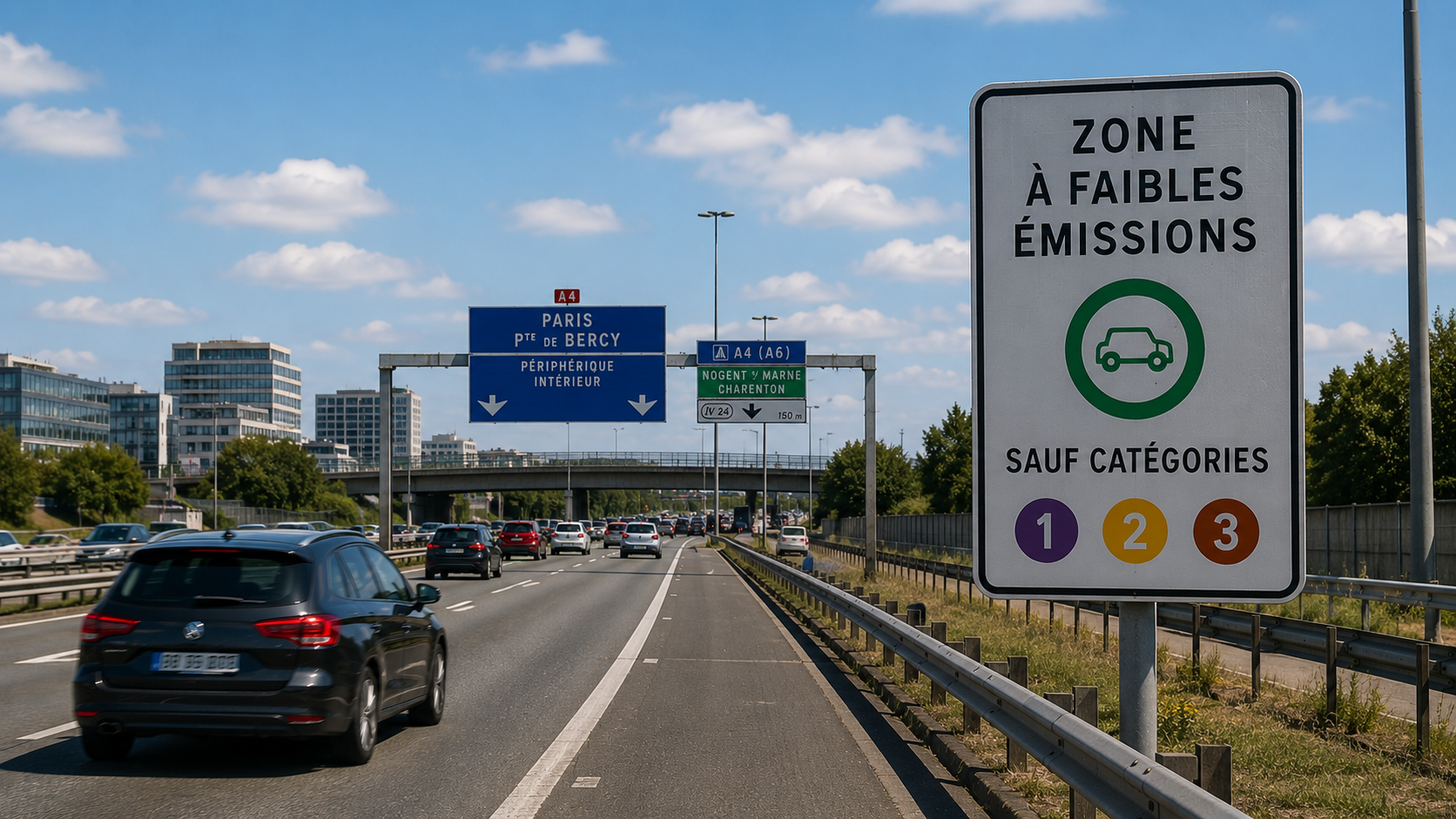
Why are Crit’Air stickers important?
France introduced the Crit’Air system to reduce harmful vehicle emissions in busy urban areas.
The scheme allows authorities to:
Restrict higher-emission vehicles
Certain vehicles may be restricted from entering some cities during periods of high pollution.
Operate Low Emission Zones (ZFE)
Many major French cities now use Low Emission Zones to improve air quality.
Encourage cleaner transport
Lower-emission vehicles are generally granted wider access to urban areas.
UK drivers may notice similarities with London’s ULEZ scheme, although France requires a visible emissions sticker to be displayed.
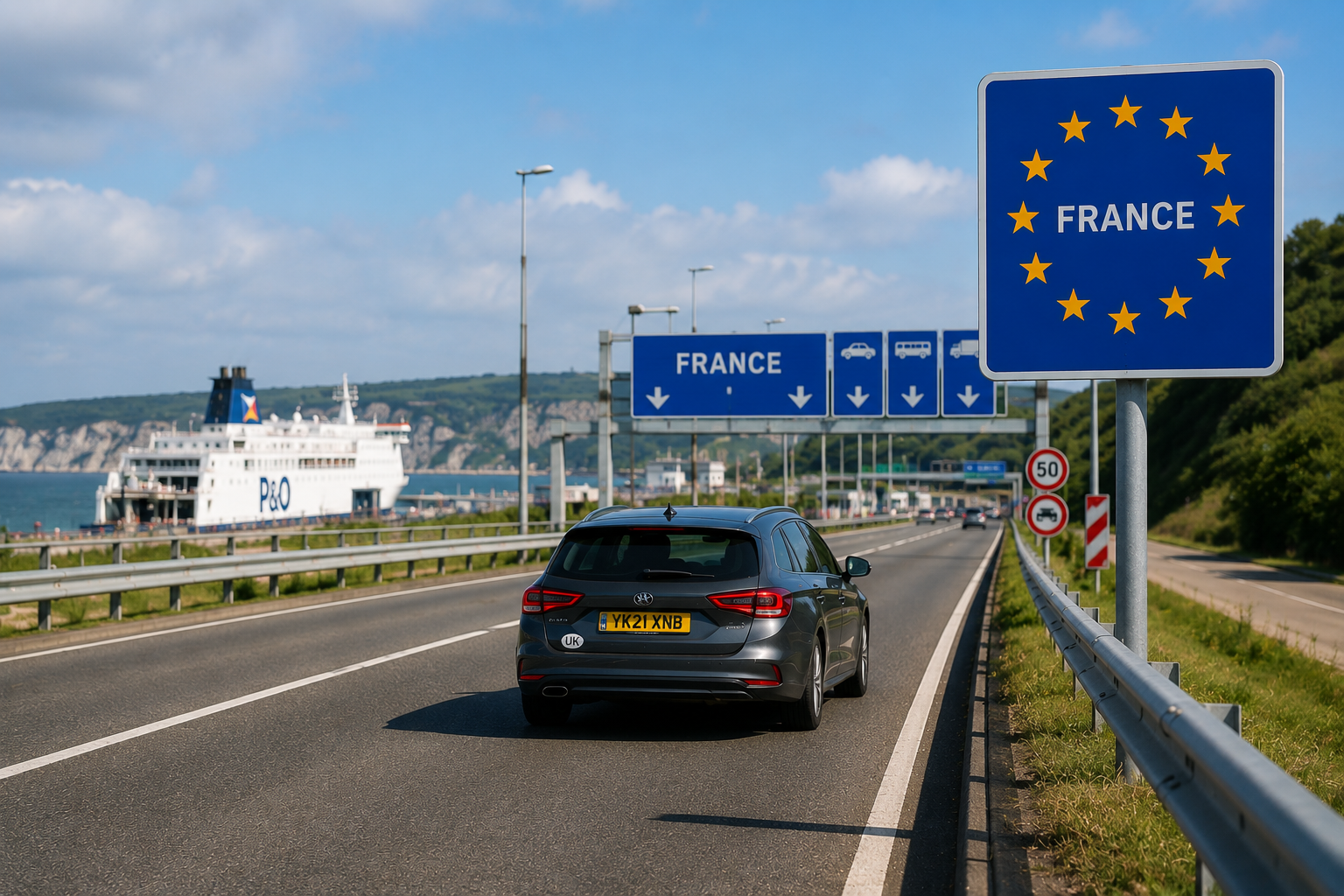
Do UK drivers need a Crit’Air sticker?
Yes.
Foreign-registered vehicles, including UK cars, vans, motorhomes and motorbikes, may require a valid Crit’Air sticker when travelling through applicable French zones.
Once your application has been processed, you will usually receive a digital confirmation certificate by email while waiting for the physical sticker to arrive.
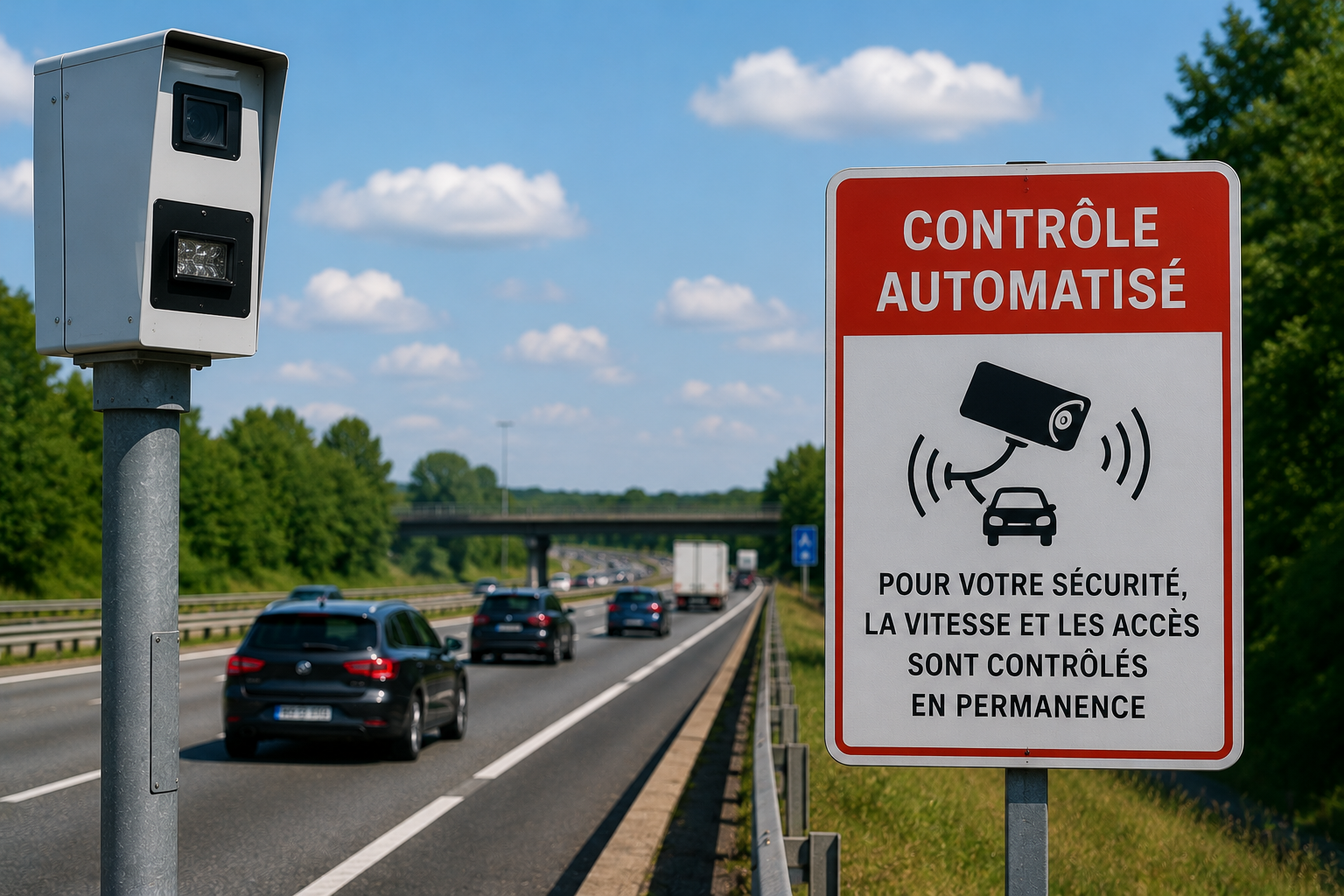
What happens if I do not have a valid sticker?
Driving within a restricted French Low Emission Zone without a valid Crit’Air sticker may result in fines up to €750 (this has been increased for 2025) and access restrictions.
Many cities now use traffic cameras and monitoring systems to check compliance.
Drivers should always check local restrictions before travelling.
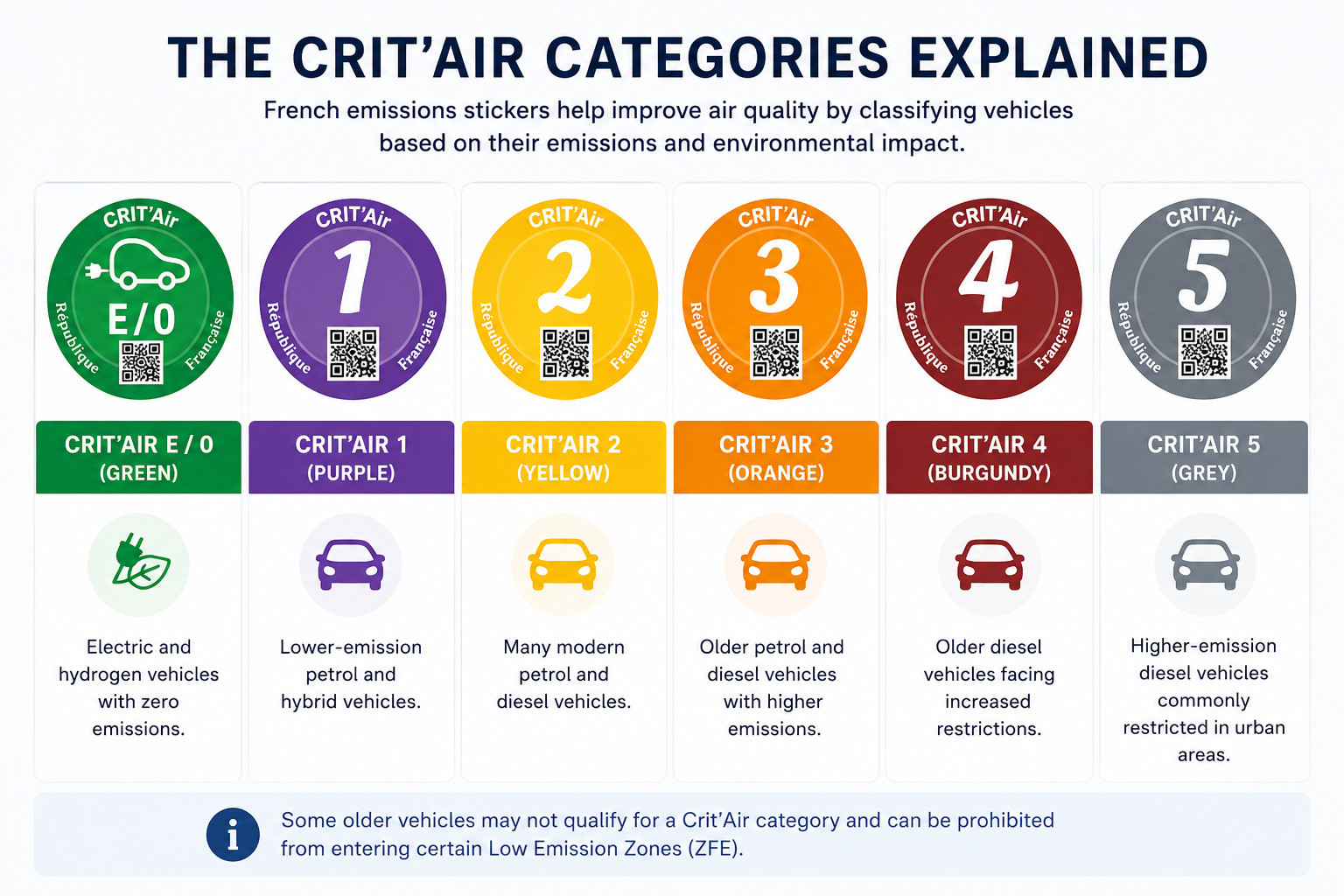
Vehicles are assigned one of six coloured sticker reflecting their pollution level, according to its Euro emissions standard:
Crit’Air 0/E (Green): Zero-emission electric and hydrogen vehicles. Generally allowed to drive in all zones, including during high pollution periods.
Crit’Air 1 (Purple): Plug-in hybrids and Euro 5/6 petrol vehicles registered after January 1, 2011. Permitted in most zones and during various pollution alerts.
Crit’Air 2 (Yellow): Euro 4 petrol and Euro 5/6 diesel vehicles registered after January 1, 2011, and gasoline vehicles registered between January 1, 2006, and December 31, 2010. Generally allowed in low emission zones but may face restrictions during high pollution periods.
Crit’Air 3 (Orange): Euro 2/3 petrol vehicles registered between January 1, 1997, and December 31, 2005 and Euro 4 diesel vehicles registered between January 1, 2006, and December 31, 2010. May face restrictions in certain zones and during pollution peaks.
Crit’Air 4 (Burgundy): Euro 3 diesel vehicles registered between January 1, 2001, and December 31, 2005. Often restricted in low emission zones and during pollution alerts.
Crit’Air 5 (Dark Grey): Euro 2 diesel vehicles registered between January 1, 1997, and December 31, 2000. Frequently banned from entering low emission zones and during pollution peaks.
Vehicles not eligible for a Crit’Air sticker are generally considered the most polluting and are usually older than those in the Crit’Air 5 category. This applies to diesel vehicles registered before January 1, 1997, and gasoline vehicles registered before January 1, 1997. These are prohibited from entering many urban areas and low emission zones.
Where are Crit’Air stickers required?
Crit’Air restrictions apply in many towns and cities across France, particularly within designated Low Emission Zones (ZFE).
Some of the major cities where Crit’Air regulations may apply include:
• Paris
• Lyon
• Marseille
• Toulouse
• Grenoble
• Strasbourg
• Lille
Restrictions vary between locations and can change depending on local regulations or periods of increased air pollution. It is always recommended to check local requirements before travelling.
How long does a Crit’Air sticker last?
A Crit’Air sticker is generally valid for the lifetime of the vehicle and does not require renewal.
However, if the sticker becomes lost, damaged, or unreadable, a new application will be required. Once attached to your windscreen, it should not be removed, as this may damage the sticker and make it invalid.
Can I receive a digital Crit’Air certificate?
Yes. Once your application has been processed, you will receive a digital confirmation certificate by email.
This provides proof that your vehicle has been registered and can be used while you are waiting for the physical sticker to arrive by post.
How do I apply for a Crit’Air sticker?
Applying for a Crit’Air sticker is quick and straightforward.
All you need is your V5C vehicle registration document, or a VE103B Vehicle on Hire certificate if you are driving a leased vehicle.
There is no need to know your vehicle's Euro emissions standard, registration category, or emissions classification. Simply upload your document and we will handle the application process on your behalf.
Can I get a Crit’Air sticker for a classic vehicle?
Vehicles first registered before January 1997, and motorcycles registered before June 2000, are generally not eligible for a Crit’Air sticker.
As these vehicles are typically restricted from entering French Low Emission Zones, a sticker is not required.
How do I get a Crit’Air sticker for a leased vehicle?
If your vehicle is leased, simply upload a copy of your VE103B Vehicle on Hire certificate when submitting your application.
We will use the information provided to process your application in the same way as any other vehicle.
Do I need a Crit’Air sticker for a rental car?
Rental companies are usually responsible for ensuring their vehicles comply with local regulations, including obtaining a Crit’Air sticker where required.
Before setting off, we recommend checking that a valid Crit’Air sticker is displayed on the windscreen and speaking with the rental provider if you have any questions.
What areas are affected?
France operates several types of emissions-controlled zones designed to improve air quality and reduce pollution in urban areas.
Permanent Low Emission Zones (ZFE)
These zones have ongoing restrictions and may prohibit certain higher-emission vehicles from entering at any time.
Temporary Pollution Control Zones
These zones are activated during periods of poor air quality and may temporarily restrict access for certain vehicle categories until pollution levels improve.
In some cities, additional local restrictions may apply. For example, older diesel vehicles may face further limitations depending on the location and current regulations.
You may also see these areas referred to as:
• ZFE (Zones à Faibles Émissions)
• LEZ (Low Emission Zones)
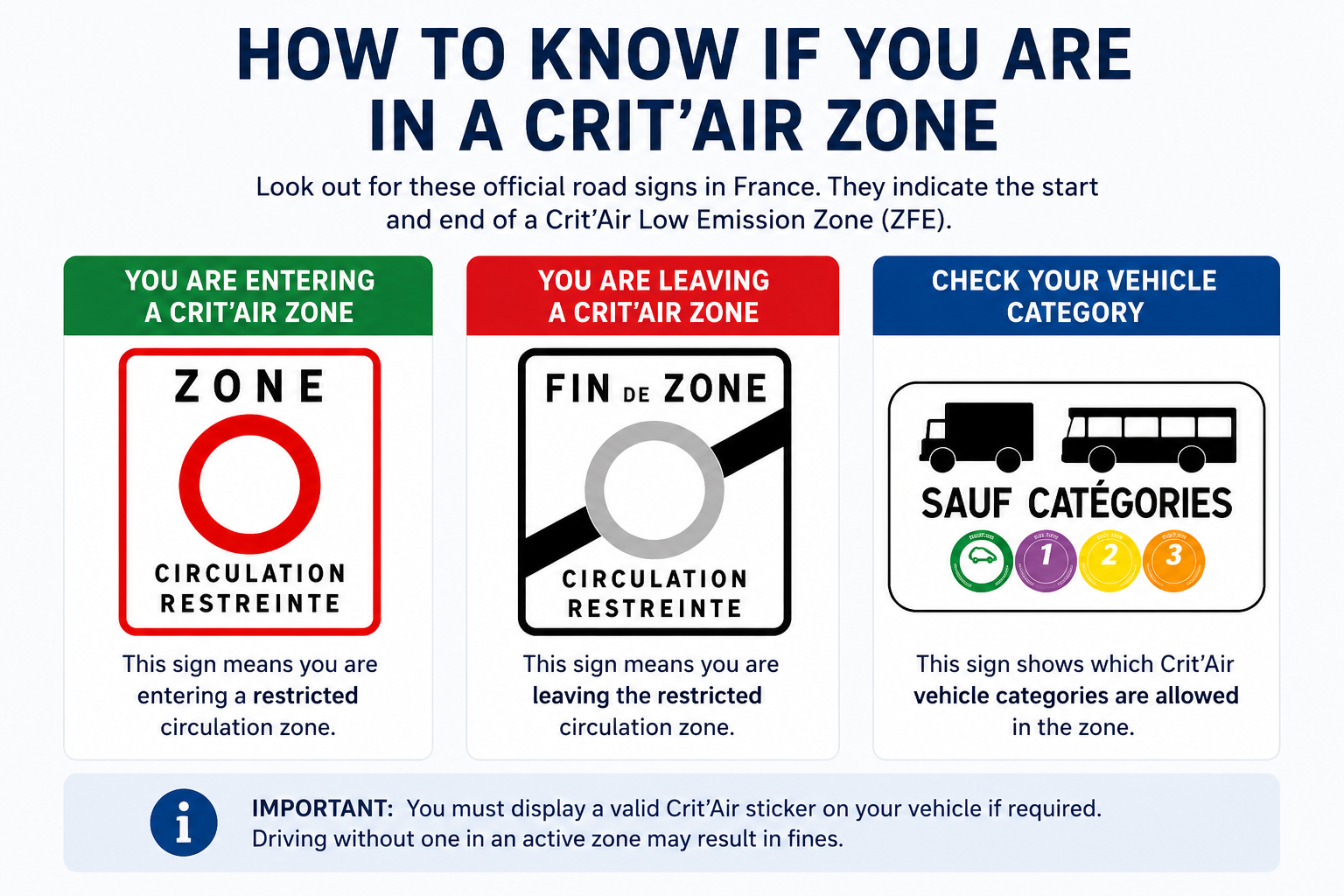
Road signs at the entrance to these areas will indicate whether restrictions are in force and which vehicle categories are permitted to enter.
Driving in France Checklist
Planning a road trip to France? Before you travel, make sure you have everything required by French law and understand the key differences between driving in France and driving in the UK.
This simple checklist covers the essentials for UK drivers travelling in France.
Essential Documents
Before you set off, make sure you have:
✓ Valid UK driving licence
✓ Passport
✓ Vehicle registration document (V5C)
✓ Proof of insurance
✓ Valid MOT certificate (if applicable)
✓ European breakdown cover (recommended)
✓ GHIC or EHIC card (recommended)
Equipment Required by Law
French regulations require drivers to carry certain items in their vehicle.
✓ UK identifier on your vehicle (unless your number plate already displays a UK identifier with the Union Flag)
✓ Reflective jacket for each occupant
✓ Warning triangle
✓ Headlamp beam deflectors (or adjusted headlights)
✓ Crit'Air sticker if travelling in applicable Low Emission Zones
In winter months, certain mountainous regions may also require winter tyres or snow chains.
Recommended Items
Whilst not legally required, these items can make your journey safer and more comfortable:
✓ First aid kit
✓ Torch
✓ Spare bulbs
✓ Engine oil and coolant
✓ Bottled water
✓ Phone charger
✓ Travel insurance
✓ Blanket
✓ Spare medication
Key Differences When Driving in France
Drive on the right
Traffic drives on the right-hand side of the road. Take extra care when leaving junctions, service stations and roundabouts.
Speed limits
Typical speed limits in France are:
• Motorways – 130 km/h (110 km/h in wet conditions)
• Dual carriageways – 110 km/h
• Main roads – 80 km/h
• Urban areas – 50 km/h
Always follow local road signs as limits can vary.
Toll roads
Many French motorways operate a toll system. Payment can usually be made by card, cash or electronic toll devices.
Roundabouts
Vehicles already on the roundabout have priority. Always give way before entering unless signs indicate otherwise.
Traffic lights
French traffic lights are often positioned at the side of the road rather than overhead. Unlike the UK, they normally change directly from red to green.
Before You Leave
Final checklist:
✓ Driving licence packed
✓ Passport packed
✓ Insurance documents available
✓ Warning triangle packed
✓ Reflective jackets packed
✓ Headlamp deflectors fitted
✓ Crit'Air sticker arranged
✓ Route planned
✓ Breakdown cover in place
You're now ready for your trip to France.